Five reservoirs and one battery
Open the hood of most cars and the things a driver is expected to check are marked with bright caps or symbols: engine oil, coolant, brake fluid, washer fluid and sometimes power steering fluid. Each has a level to look at and a reason to look.
This page explains where each one usually lives, how to read the level and what a sudden change can mean. It also covers the battery, which tends to give a few hints before it gives up.
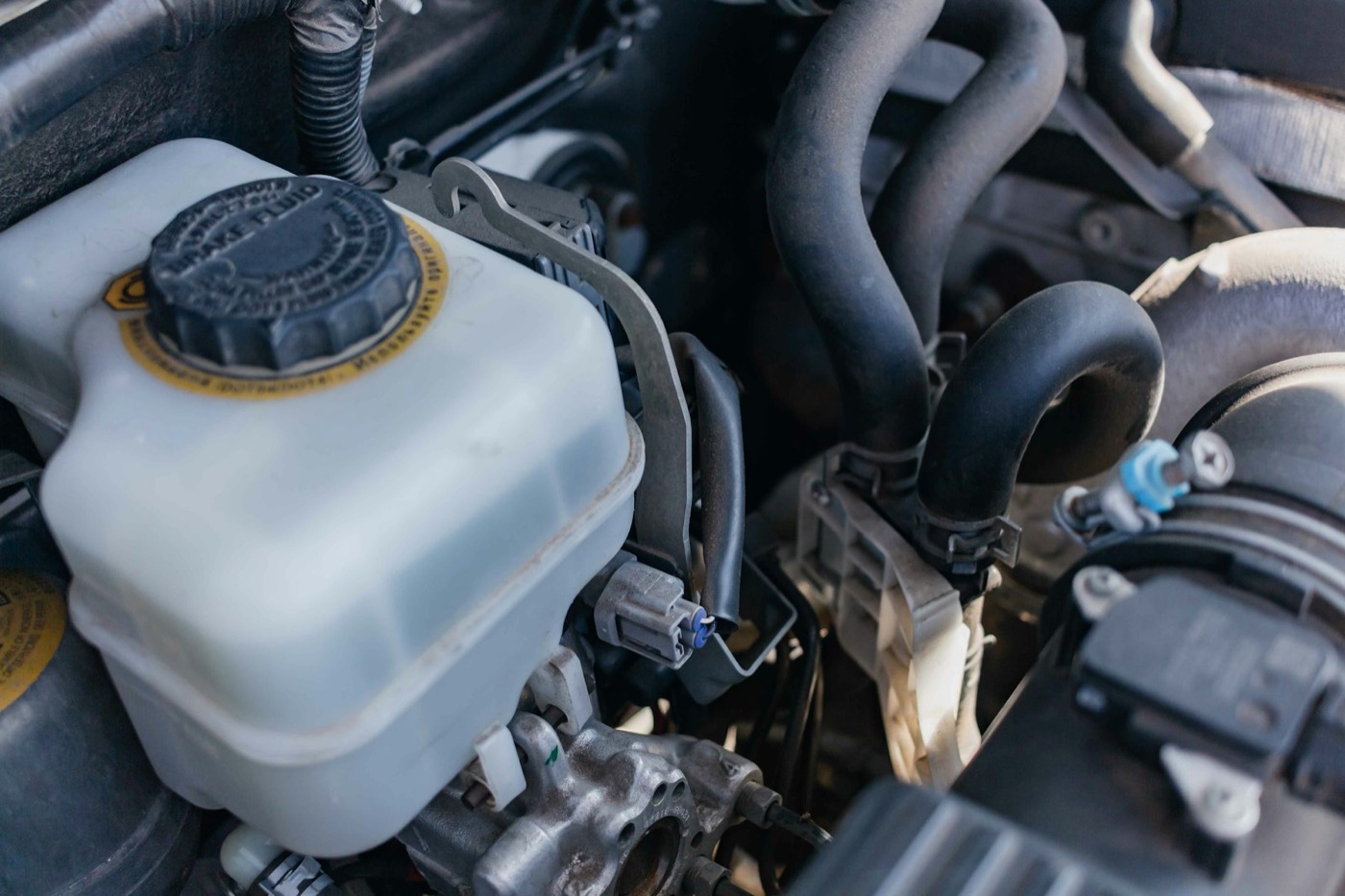
Under the hood, once a month
- Engine oil on the dipstick or the dashboard display
- Coolant between the MIN and MAX marks
- Brake fluid level and color
- Battery terminals for white or green crust
What to look for
Engine oil
With the engine off and the car on level ground, pull the dipstick, wipe it, push it back and pull it again. The level should sit between the two marks.
Coolant
Check it only when the engine is cold. Never open a hot radiator or coolant cap, because the liquid inside is under pressure.
Leaks
Spots under a parked car can say a lot. Their color and where they sit help a technician tell which fluid it is.
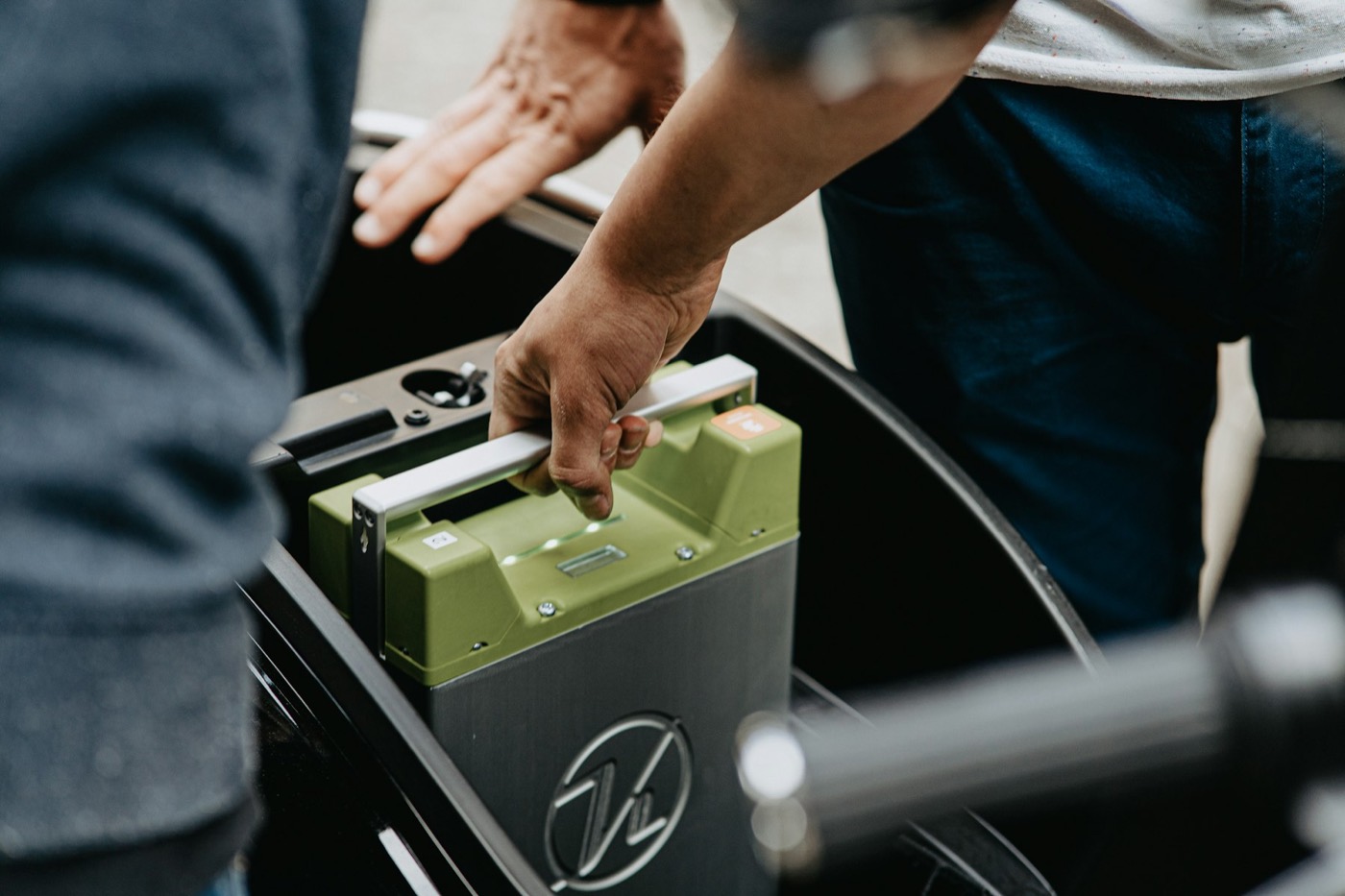
The battery
Slow cranking on cold mornings, dim lights at idle and crusty terminals are common signs a battery is tiring.
See a technician when
- A fluid level keeps falling between checks
- You see puddles or drips under the car
- The temperature gauge climbs higher than usual
- The engine is slow to start more than once
The owner’s manual is the authority on which fluids your car takes and how often they are changed. Use exactly the type it names when topping up, and keep the caps on tight. If you are unsure which reservoir is which, the symbols on the caps and the diagrams in the manual will tell you.
Common questions
Once a month is a common habit, and before a long trip. Some newer cars have no dipstick and show the level on a dashboard screen; the manual explains how to read it.
Coolant comes in several colors depending on the type. What matters most is that it looks clean, not rusty or oily, and that you top up with the type your manual names.
Slow starts, especially on cold mornings, dim headlights with the engine idling and a battery warning light are the usual hints. Many parts stores and shops can test a battery.
Many drivers do, following the steps in the owner’s manual, which vary from car to car. If you are unsure, roadside assistance can help.
This page is general information, not an inspection or a diagnosis of your car. Follow your owner’s manual and ask a qualified technician about anything you find.