The only parts of the car that touch the road
Everything a car does, from steering to stopping, reaches the road through four patches of rubber about the size of a hand. Tires lose air slowly, wear unevenly and age even when they sit still, and most of that can be seen or measured in a driveway.
A few minutes with a pressure gauge and a coin tells you more about a tire than a glance ever will. This page walks through what to check, how to read what you find and when a tire shop should take a look.
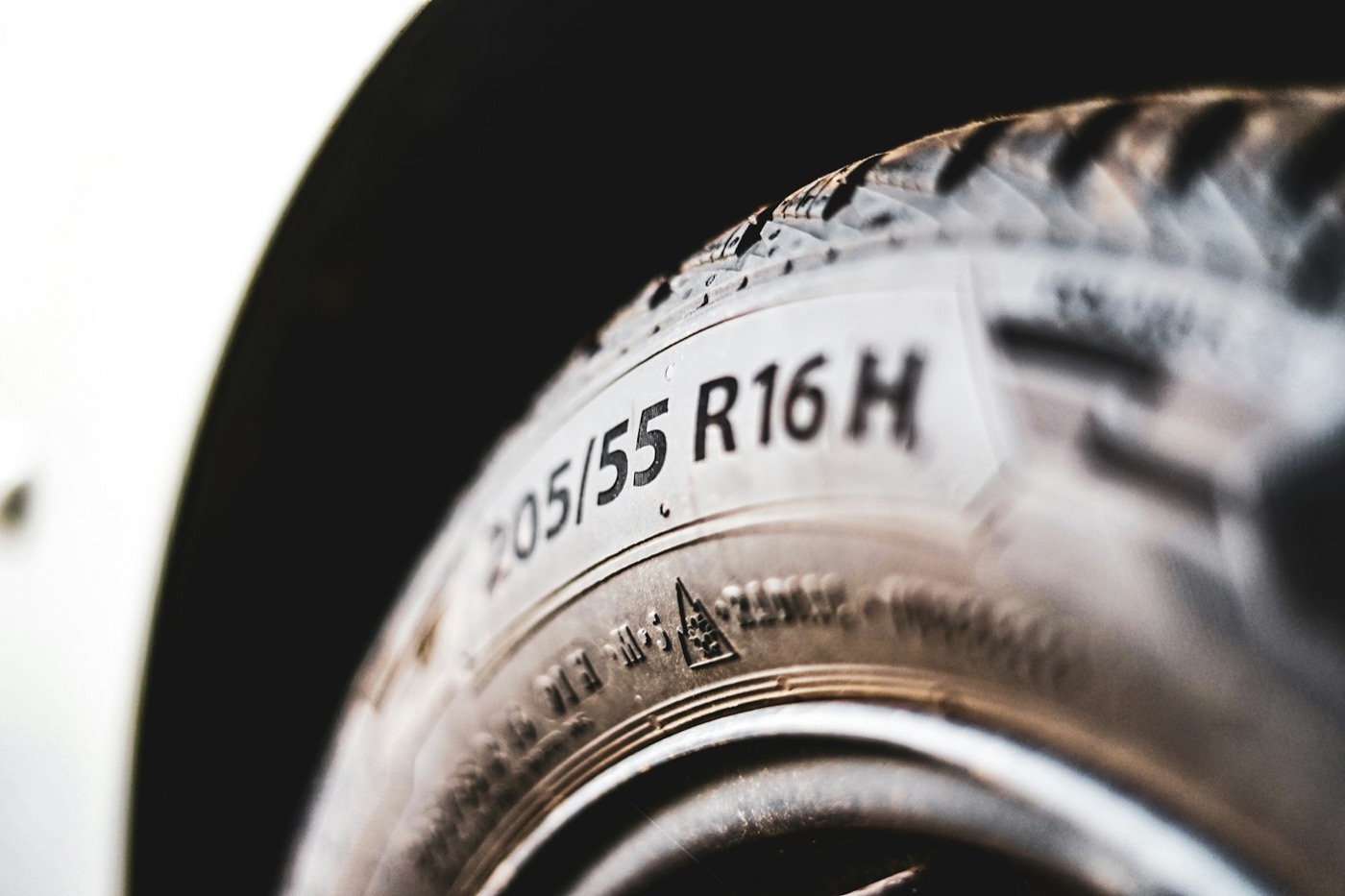
Quick checks for every tire
- Pressure, measured when the tires are cold
- Tread depth across the whole width
- Cuts, bulges or cracks in the sidewall
- The spare, if the car carries one
What to look for
The right pressure
The number to aim for is printed on a sticker inside the driver’s door frame or in the owner’s manual. The figure on the tire’s own sidewall is a maximum, not a target.
Enough tread
Push a penny into the main grooves with Lincoln’s head upside down. If you can see the top of his head, the tread is shallow and worth showing to a tire shop.
Even wear
A tire worn on one edge, or in patches, often points to alignment or pressure that has drifted. The pattern is a clue for a technician to read.
Age and damage
Rubber hardens with time. Look for fine cracks, bulges and anything stuck in the tread, and find the four-digit date code on the sidewall.
Leave it to a tire shop when
- A tire keeps losing air after you refill it
- You see a bulge or a cut that reaches the cords
- The steering wheel shakes at highway speed
- The tread is low or worn unevenly

Check pressure once a month and before a long drive, with a gauge of your own rather than the one on the air hose. Cold tires read true, so check before you set off in the morning. Write down what each tire reads; a tire that needs topping up far more often than the other three is telling you something.
Common questions
Once a month, and before any long trip or heavy load. Tires can lose air gradually without looking flat, and the dashboard warning, where a car has one, often comes on only once the pressure is well down.
Yes. Air contracts as it cools, so pressure drops on the first cold mornings of the season. Check again when the weather turns and top up to the figure on the door sticker.
The last four digits of the code on the sidewall show the week and year the tire was made. A tire shop can tell you whether an older tire is still fit for the road.
A tire that keeps losing air is worth showing to a tire shop soon. Driving on a soft tire wears it quickly and changes how the car steers and stops.
This page is general information, not an inspection or a diagnosis of your car. Follow your owner’s manual and ask a qualified technician about anything you find.