Seeing the road, and being seen on it
Lights do two jobs: they show you the road and they tell everyone else what you are about to do. A bulb can fail without any sign from inside the car, and a brake light that has quietly stopped working is easy to miss.
Checking lights takes two minutes and no tools. You can do it alone with a garage door, a shop window or a reflective wall behind you, or ask someone to stand and watch while you work through the switches.
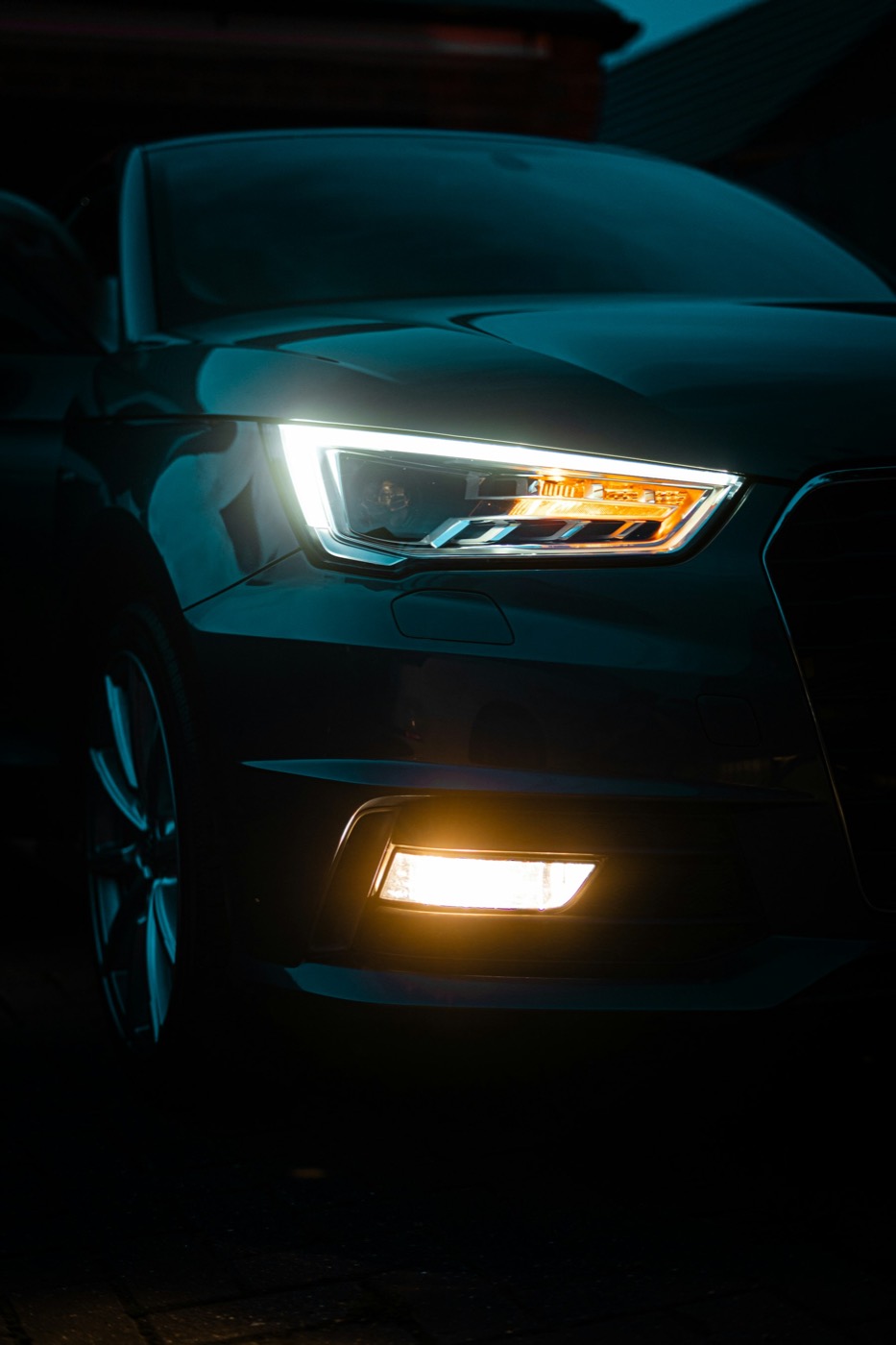
Lights to work through
- Low and high beam headlights
- Brake lights, including the high center one
- Turn signals and hazard lights, front and back
- Reverse lights and the license plate light
What to look for
A light that is out
Walk around the car with each switch on in turn. A turn signal that blinks much faster than usual often means a bulb on that side has failed.
Cloudy lenses
Plastic headlight covers can turn yellow and hazy with age, which dims the beam. Restoration kits exist, and a shop can advise on replacing the lens.
Aim
Headlights pointing too high dazzle other drivers; too low and they show less of the road. Aim is set with the car on level ground, and it is a job for a shop.
Cracks and moisture
Condensation or water inside a light unit can shorten bulb life. A cracked lens lets in more.
Ask a shop when
- A replaced bulb fails again quickly
- Several lights stop working at once
- Water collects inside a light unit
- The headlights seem to point unevenly
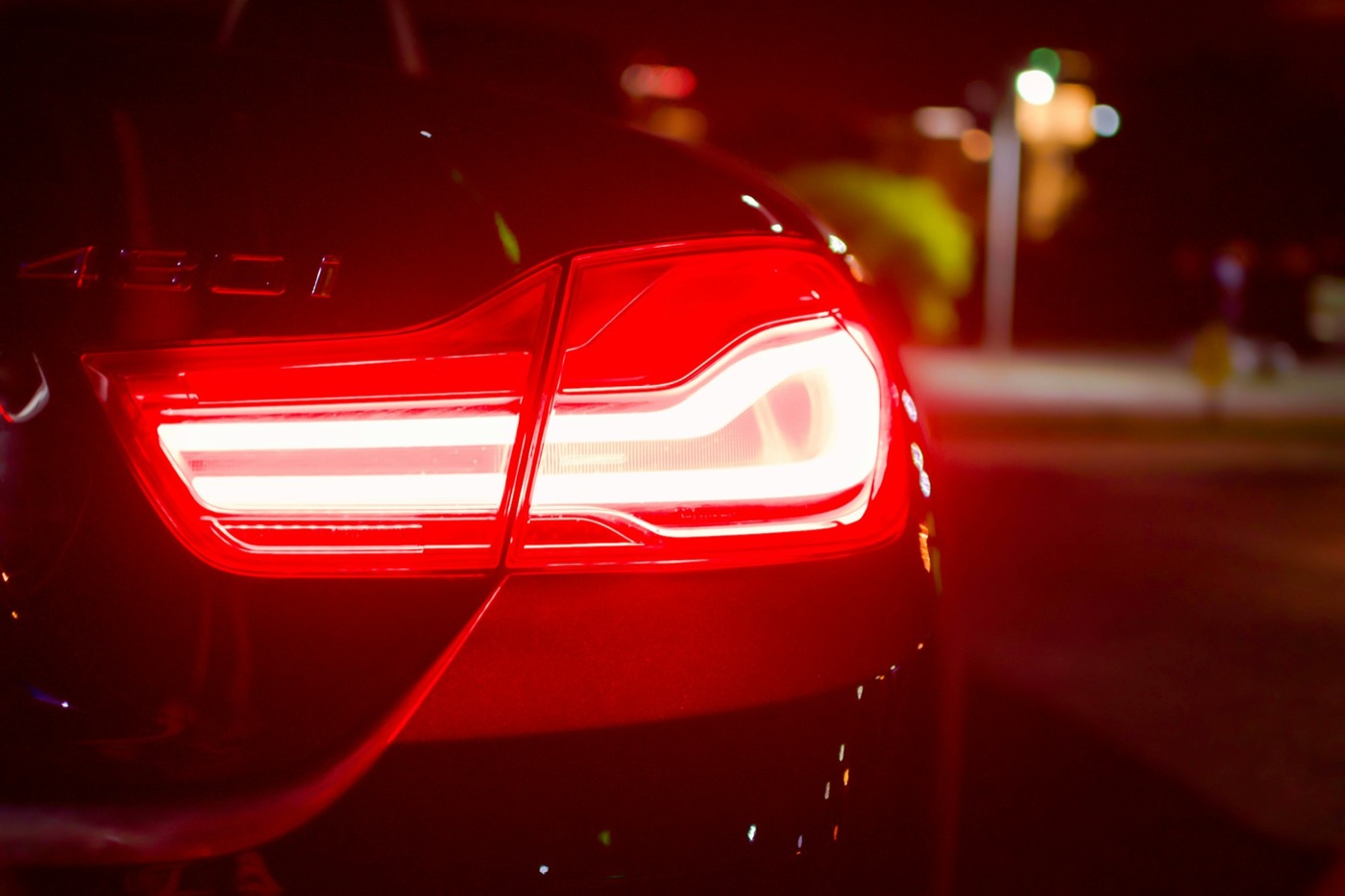
Clean lights before a night drive or after a dirty stretch of road; a film of grime can dim them as much as an old bulb. If you replace a headlight bulb yourself, replace both sides together so the color and brightness stay even, and check the manual for the type.
Common questions
Reverse up to a garage door or a window at night and press the pedal; you should see the red glow reflected. Or wedge something safely against the pedal with the engine off and the parking brake on, then walk around.
On many cars a fast blink is the system’s way of saying a bulb on that side is out. Check every signal bulb on that side, front, back and on the mirror if it has one.
Often they do not. On many cars the daytime lights are at the front only, so the rear can be dark at dusk unless the headlights are switched on.
On dark roads with no traffic ahead or coming toward you. Dip them as soon as you see another car’s lights, so you do not dazzle the driver.
This page is general information, not an inspection or a diagnosis of your car. Follow your owner’s manual and ask a qualified technician about anything you find.