Getting a car ready for winter
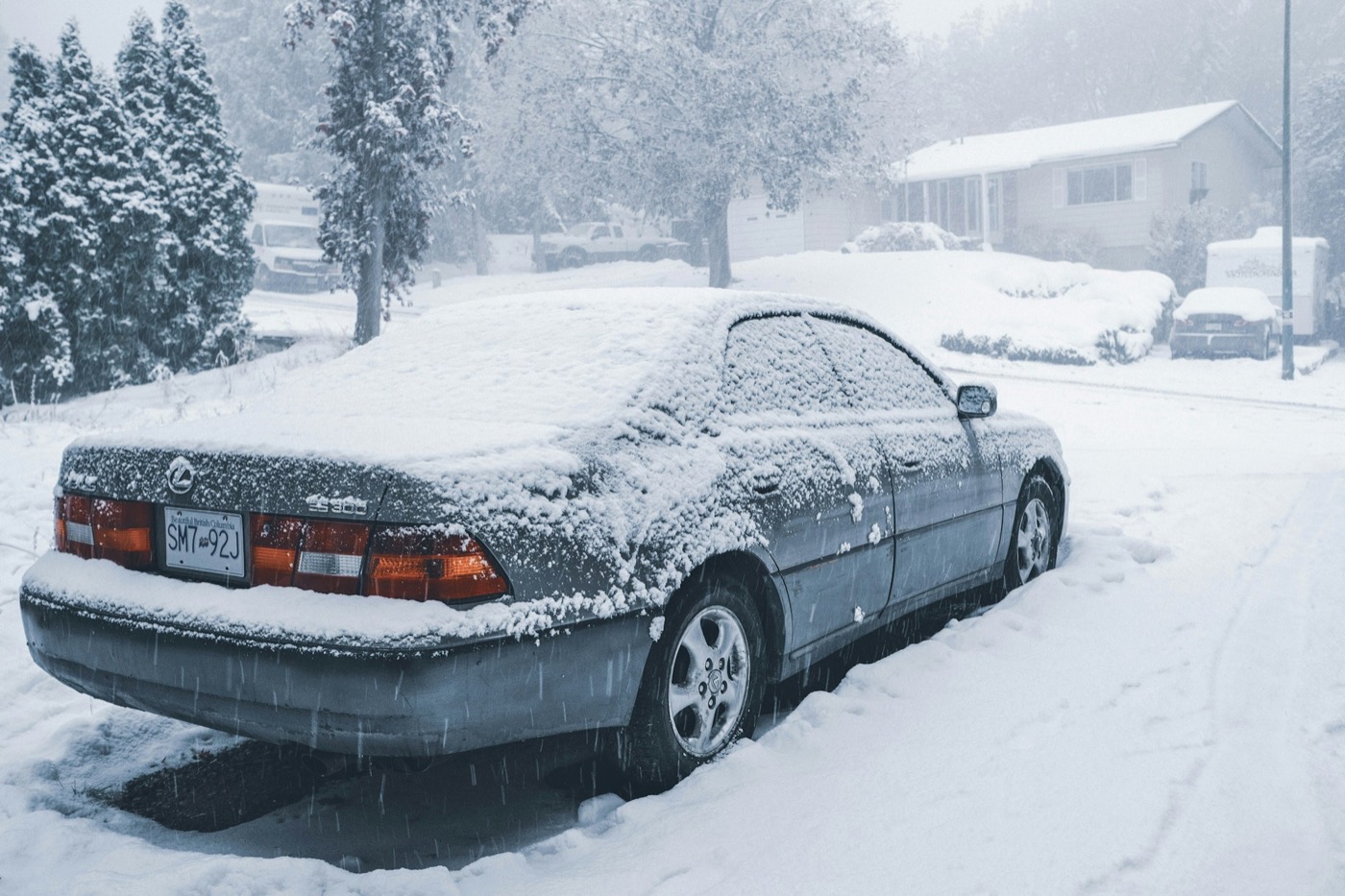
Cold weather is hard on batteries, tires and wipers. A short list to work through before the first freeze.
The first cold snap of the year finds every weak spot in a car at once. Batteries lose strength in the cold, tire pressures drop as the air contracts, and wiper blades that coped all summer start to smear. Most of the work to get ready is looking, not fixing.
Start with the battery
A battery that was slow to start the engine in autumn will struggle more in the cold. Look at the terminals for white or green crust, make sure the clamps are tight and, if the car has been hesitating, ask a parts store or shop to test it before winter arrives.
Tires and traction
Check pressures on the first cold mornings and top them up to the door-sticker figure. Look at tread depth too; shallow tread clears slush and water poorly. Drivers in snowy regions often fit winter tires, which use softer rubber and deeper patterns made for cold roads.
- Pressure checked after the first frost
- Tread depth across all four tires
- Winter tires considered if you live where it snows
A clear view
Fill the washer reservoir with a winter fluid that will not freeze, and replace wiper blades that streak. Keep an ice scraper and brush in the car, and clear the whole windshield, every window and the lights before setting off, not a small porthole in front of the driver.
Clear the roof as well as the glass. Snow left on top slides down over the windshield the first time you brake.
A small kit in the trunk
A blanket, gloves, a flashlight, a phone charger and some water take up little space and matter a great deal if you are stuck waiting for help. Keep the fuel tank from running low in very cold weather, so you have a margin if a journey takes longer than planned.

This article is general information, not advice about your own car. Follow your owner’s manual and ask a qualified technician about anything you are unsure of.
// Road notes