A safety look at a used car before you buy
Tires, lights, glass, warning lights and a test drive: what to look at yourself, and why an independent inspection is still worth it.
A used car can look spotless and still need tires, brakes or a recall repair. You do not need to be a mechanic to spot many of the warning signs, and knowing what to look at helps you ask better questions and decide whether to pay for an inspection.
Walk around it in daylight
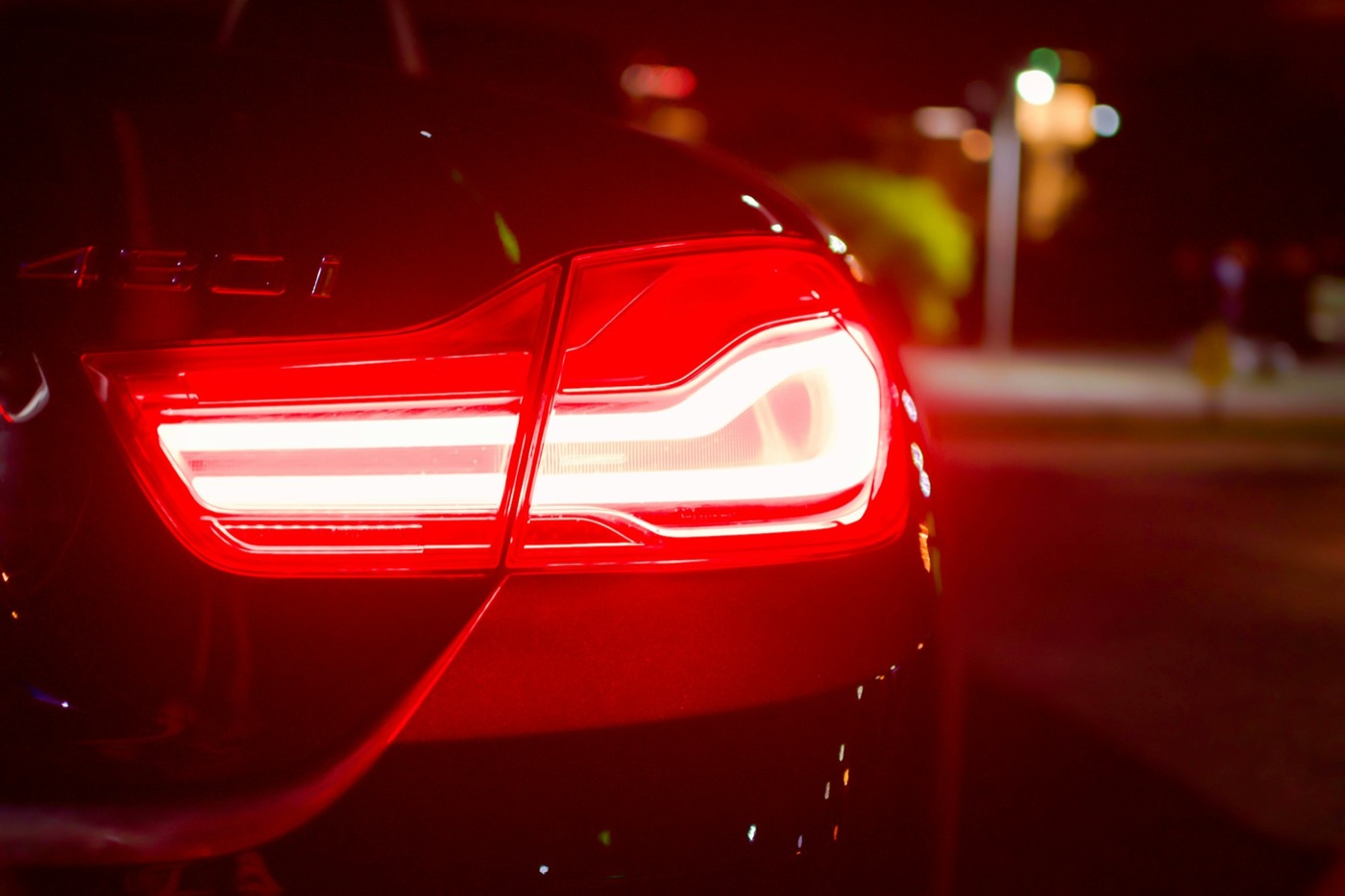
Look at all four tires, including the date code and how evenly they have worn. Switch on every light. Check the windshield for chips and cracks. Look underneath for fresh drips and inside the hood for anything crusted, wet or tied up with tape.
- Tire wear even on all four
- Every light working
- No cracks across the windshield
- No fresh drips under the car
Start it cold
Ask for the car not to be run before you arrive. Watch the dashboard as it starts: warning lights should come on briefly and go out. Any that stay lit are worth asking about, and so is a seller who has already warmed the engine.
Drive it the way you will
Take it on a mix of roads. Notice whether it pulls to one side, how the brakes feel, whether the steering wheel sits straight and whether there are knocks over bumps. Try the wipers, the heater, the air conditioning and every window.
An inspection by an independent technician you choose, not one the seller picks, is the best second opinion you can get.
Check the paperwork
Search the VIN for open recalls, compare it with the number on the title and the car itself, and ask for service records. Gaps are not always a problem, but they are worth a question.
This article is general information, not advice about your own car. Follow your owner’s manual and ask a qualified technician about anything you are unsure of.
// Road notes